
Tuesday 28th January 2025 at 2:30pm at Cley Village Hall
Alterations to Blakeney church in the medieval period
Chris Wheeler
Chris is a retired Chartered Surveyor with a fascination for the history of buildings. He is a member of Blakeney’s Parochial Church Council and Fabric Officer for St Nicholas’s Church, Blakeney.
He has become increasingly interested in the early history of Blakeney church, particularly in relation to the East tower and the pre-1435 nave. John Wright, another illustrious member of BAHS has already done some excellent work on the early church and its relationship with the Carmelite Friary at Blakeney. Chris is expanding on that work using the visual architectural evidence available. He will also share his theories around the nave and the mystery of the East Tower.
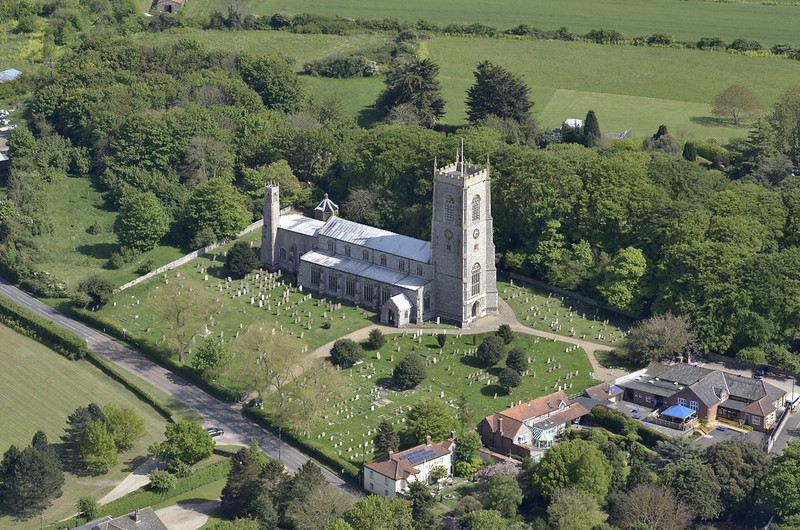
Recent highlights of Historic England’s work in Norfolk
Sarah Poppy
Sarah has worked for Historic England for the previous 12 years, initially dealing with scheduled monuments in the East of England, but more recently advising on the role of heritage in farming and countryside government policy. Historic England is the government’s advisor on the historic environment in England, championing historic places and helping people to understand, value and care for them.
Tuesday 25th February 2025 at 2:30pm at Cley Village Hall
Excavation of a new Anglo-Saxon site in Norfolk
Lilly Hodges
Tuesday 25th March 2025 at 2:30pm at Cley Village Hall
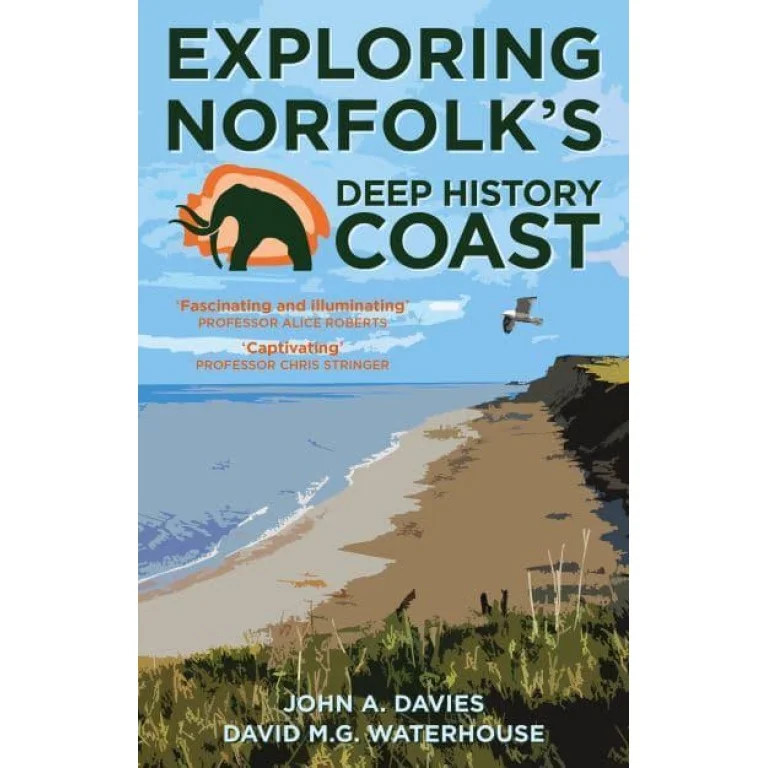
Exploring Norfolk’s Deep History Coast
Dr John Davies
This talk will introduce you to the concept of Norfolk’s Deep History Coast; a place where unique discoveries of international significance have been made, which have transformed our understanding of the earliest human occupation of northern Europe. It will take you on a journey through time, looking at the archaeology, geology, natural landscape and the creatures that have inhabited the area, and provide an introduction to some of the fascinating and beautiful historic sites around Norfolk’s coast.
John was Chief Curator for Norfolk Museums Service and Keeper of Archaeology until December 2018. Prior to retiring, he was Project Director for the major project to redevelop the historic Norman keep at Norwich Castle – the largest museum heritage project in the UK. He previously led the Interreg European project ‘Norman Connections’, linking historic sites in Normandy and southern England. He has worked as an archaeologist in Norfolk since 1984 and is a highly experienced museum professional.
Tuesday 29th April 2025 at 2:30pm at Cley Village Hall
The Real Margery Kempe
Susan Maddock
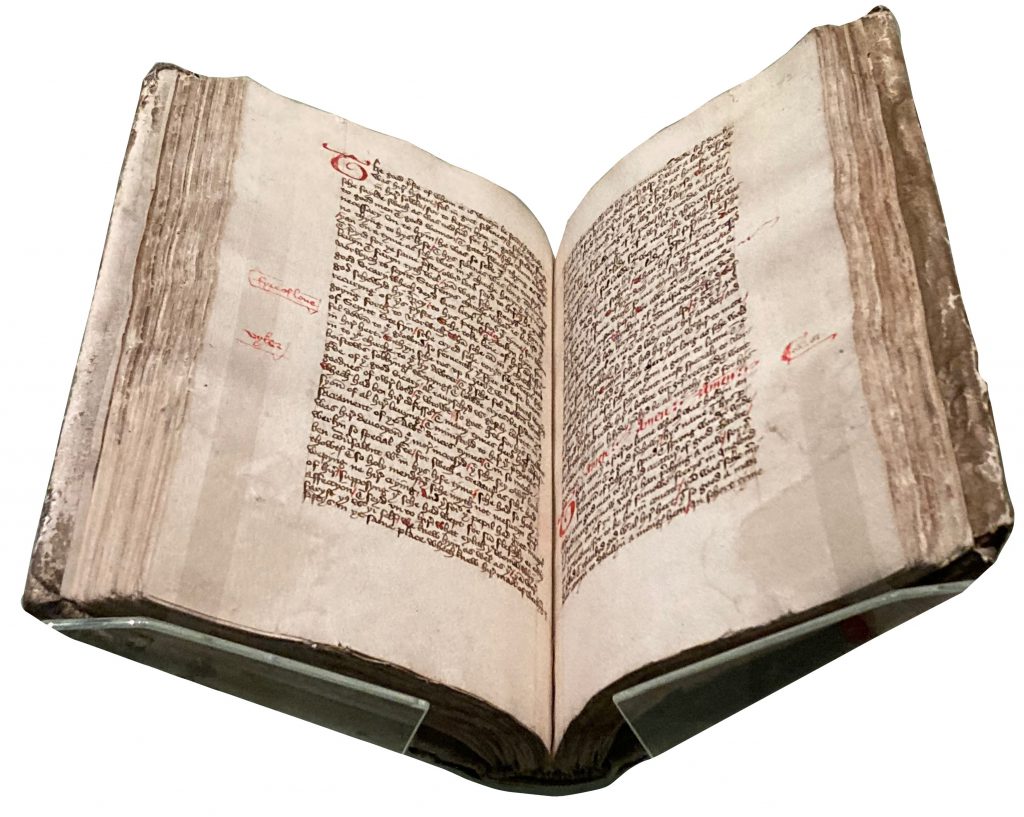
Margery Kempe of Lynn was an independent-minded woman who provoked extreme reactions in her lifetime (c. 1373-c. 1440) and still does. Her book – the earliest autobiographical text in the English language – records her transformation from a young wife who married for ‘fleshly lusts and inordinate loves’ and gave birth to 14 children into a chaste, but still married, woman given to intense religious devotion.
During wide-ranging travels in England and across Europe, she had some intoxicating experiences and made many friends, but was also arrested and imprisoned more than once, shunned or abandoned by fellow travellers, and traumatised by a storm at sea.
A former archivist in the Norfolk Record Office, Susan Maddock was responsible for King’s Lynn’s borough archives for more than 30 years. Now an honorary research fellow at the University of East Anglia, and author of several articles on late medieval Lynn, her research focuses on the social milieu of Margery Kempe’s home town, including her family and other connections. In this talk, she explores some of what we know about the historical Margery Kempe in the light of the latest research.eople to understand, value and care for them.
Tuesday 30th September 2025 at 7:30 pm at Cley Village Hall
Pilgrim Hostels in Walsingham – the remaining evidence
Ian Hinton
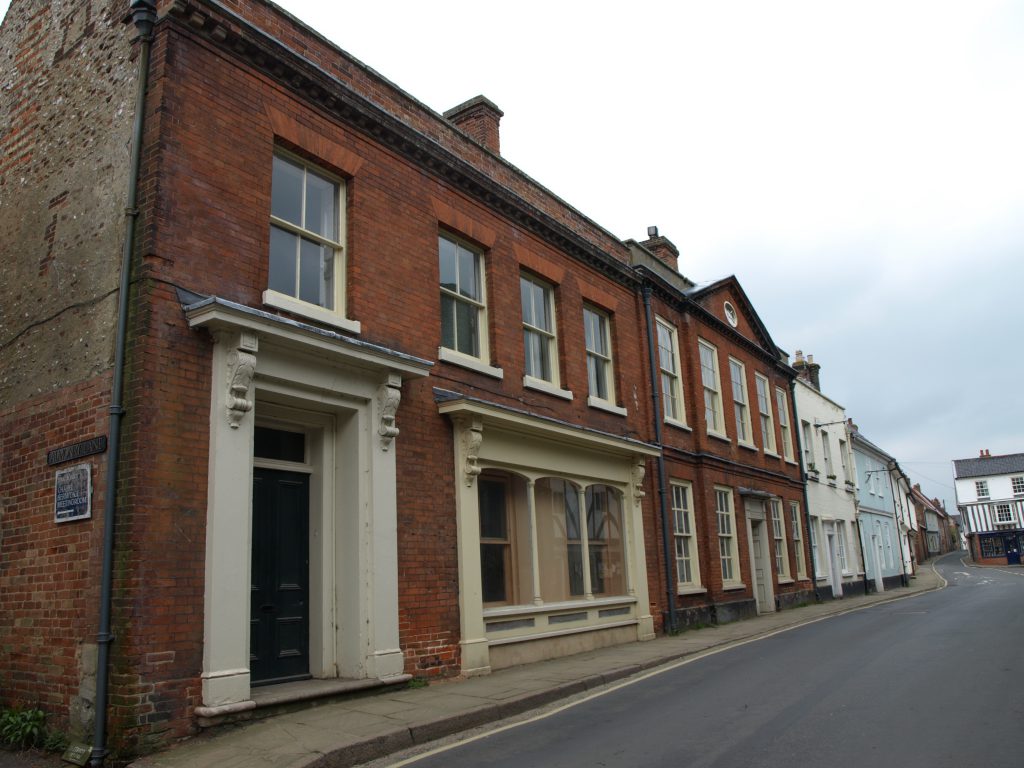
Ian will talk about research by the Norfolk Historic Buildings Group, which conducted an in-depth study of the buildings of Walsingham. The research revealed evidence for several very large buildings which were used to house pilgrims in the 15th and 16th centuries.
The internationally important pilgrimage site of Walsingham attracted up to 100,000 people. At its peak almost every building in the town was part of the pilgrim trade.
Tuesday 28th October 2025 at 7:30 pm at Cley Village Hall
Introduction to the Commonwealth War Graves Commission
Bruce Holliday
A presentation on the work of The Commonwealth War Graves Commission. Learn about its founder, formation and history, hear about those iconic headstones, cemeteries and memorials and the Commission’s work recording the dead and missing of two World Wars. Find out about our global commitment to remembrance and plans for the future.
Tuesday 25th November 2025 at 2:30pm at Cley Village Hall
German Prisoners of War in Norfolk: A forgotten history from the Great War
Brendon Chester-Kadwell
In the early years of the Great War German combatant prisoners of war were held in large internment camps run by the Army. However, none of these were in Norfolk because of the fear of invasion or large-scale raids along the East Anglian coast. By the end of 1916 the threat of invasion had receded, but there was grave concern instead around food security. As the German U-boat campaign continued to menace the Transatlantic trade routes and labour was drained from agriculture and sent to the Front the fear was that food shortages would do what the German army had failed to do on the battlefield.
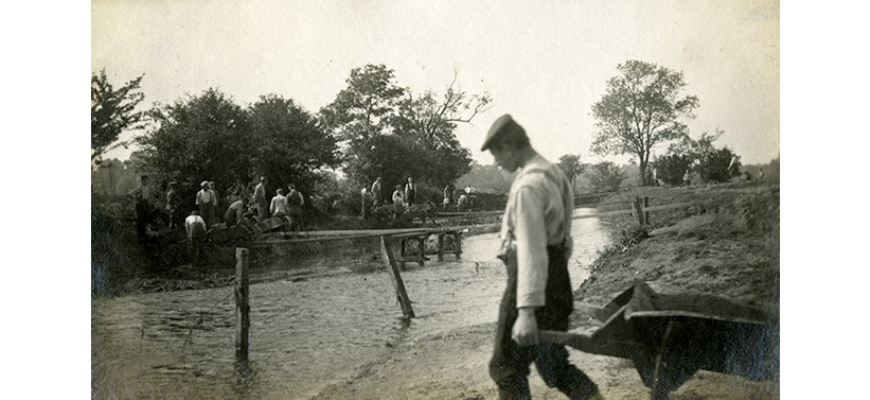
As a response, it was decided to draft in labour using German POWs and from 1917 Agricultural Working Camps were set up throughout Norfolk (as elsewhere) to help boost food production. This talk explores how these camps were setup and organised, what work the prisoners who volunteered undertook, and how they were received by the civilian population.
Dr Brendan Chester-Kadwell is a landscape historian specialising in the historical development of rural settlement, particularly those associated with coastal wetlands. He has published on settlement in the Eastern High Weald, an area that includes the Rother Upper Levels and has researched the development of High Weald wood pastures in the context of early settlement. His PhD thesis (University of East Anglia 2010) was on ‘A Sense of Place in Rural Settlement’.
Brendan also has a background in medieval theology and church history and has undertaken post-graduate research at Birmingham University in ecclesiology. He is currently researching the impact of developments in ecclesiology on medieval church design and is in the process of compiling a compendium of angel roofs in Somerset.
In 2019 he edited and co-authored a book on the Carmelite Friary at Burnham Norton, Norfolk. The existence of a Great War German prisoners of war camp on the priory site at Burnham has inspired the writing of a forthcoming book on such camps in Norfolk with Pat Kadwell.